
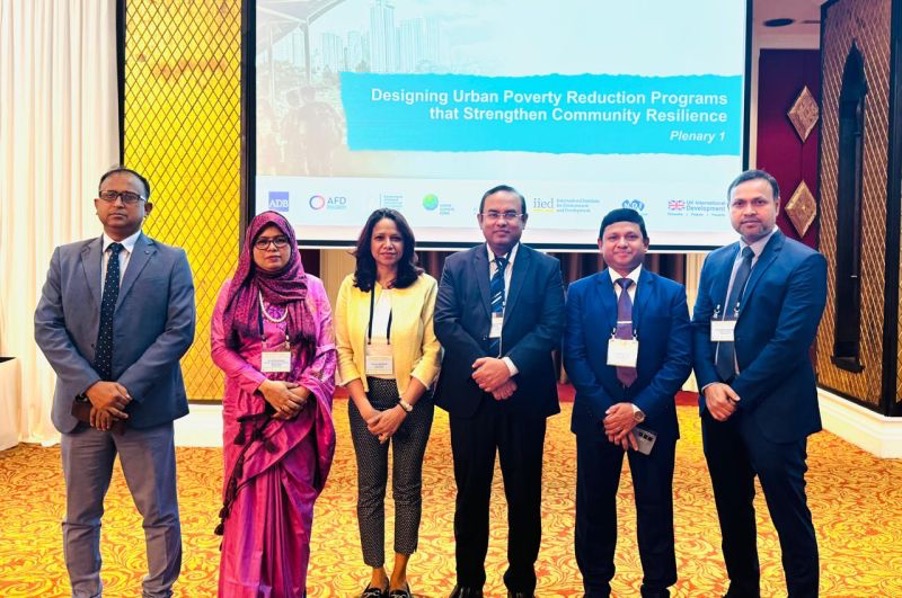
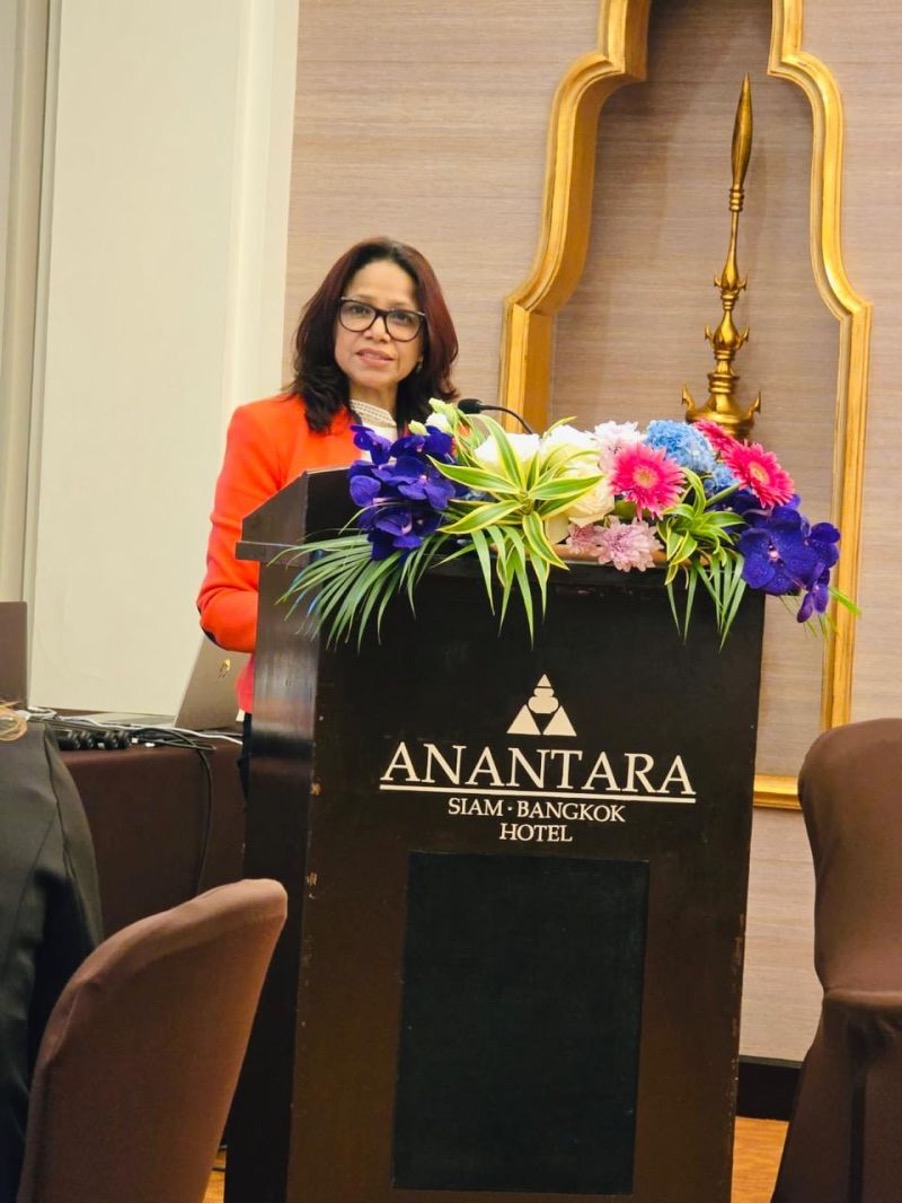
Quay Asia was invited to present at the Asian Development Bank's Climate Resilient Poverty Partnership (CRPP) Forum 2025, sharing findings from our IIED-commissioned study on adaptive social protection readiness in Bangladesh. The forum convened 155 participants from 13 countries, creating a rich platform for knowledge exchange on climate-responsive safety net systems.
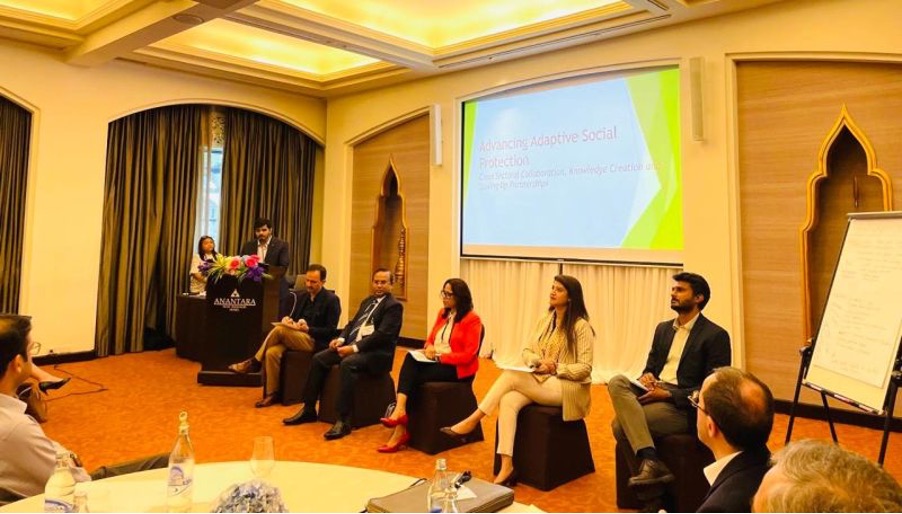
Why Adaptive Social Protection Matters
Bangladesh faces a dual challenge: persistent poverty affecting millions of households, and escalating climate impacts - from cyclones and floods to slow-onset salinity intrusion - that threaten to push vulnerable populations deeper into deprivation. Traditional social protection programmes, designed for chronic poverty, are often too rigid to respond to the sudden, compounding shocks that climate change brings.
Adaptive social protection bridges this gap by building systems that can flex - scaling up coverage and benefit levels when disasters strike, reaching affected populations quickly, and linking emergency response with longer-term resilience building.
Bangladesh Case Study: Readiness Assessment
Our study, commissioned by the International Institute for Environment and Development (IIED), assessed Bangladesh's readiness across five dimensions: institutional coordination, data and targeting systems, delivery mechanisms, financing arrangements, and programme design flexibility. The findings paint a picture of significant progress alongside persistent gaps.
On the positive side, Bangladesh has built substantial social protection infrastructure - reaching approximately 30 million beneficiaries through over 100 programmes. The government has also invested in digital payment systems and beneficiary databases that provide a foundation for adaptive approaches.
However, critical gaps remain. Coordination between disaster management authorities and social protection ministries is weak. Early warning systems are not yet systematically linked to social protection triggers. And financing mechanisms for rapid scale-up during emergencies remain ad hoc rather than pre-arranged.
Gender Dimensions of Climate-Responsive Protection
A central finding of our research was the gendered nature of climate vulnerability and the inadequacy of current social protection responses in addressing it. Women-headed households face disproportionate impacts from climate shocks - losing livelihoods, taking on additional care burdens, and facing heightened food insecurity - yet targeting mechanisms rarely account for these differential vulnerabilities.
We recommended integrating gender-responsive criteria into shock-responsive targeting, ensuring women have equal access to digital payment systems, and designing programme components that address the specific needs of women during and after climate events.
From Poverty Graduation to Climate Resilience
The forum discussions highlighted an important evolution in thinking: moving beyond poverty graduation as the sole objective of social protection towards building climate resilience as an integrated goal. This means social protection programmes should not only help households escape poverty but equip them with the assets, skills, and insurance mechanisms to withstand future shocks without falling back.
Bangladesh's experience with the Climate Resilient Poverty Graduation model offers valuable lessons for other climate-vulnerable countries across South and Southeast Asia.
Regional Learning and Next Steps
The CRPP Forum demonstrated the value of south-south learning. Countries including the Phillippines, Nepal, Pakistan, and Vietnam are grappling with similar challenges of integrating climate adaptation into social protection systems. Bangladesh's scale of experience - both its achievements and its shortcomings - provides a rich evidence base for regional knowledge exchange.
Quay Asia continues to work with IIED and government partners to translate these findings into actionable policy recommendations, with the aim of strengthening Bangladesh's adaptive social protection architecture ahead of the next climate season.