Quay Asia's Aroyee initiative has been recognised as a best practice example in the Bangladesh Enterprise Institute's (BEI) report on education systems strengthening. The report, launched at an event hosted by BEI with the Department for Business and Trade and FCDO, was attended by participants from the Education World Forum - bringing international visibility to Aroyee's approach to inclusive education in marginalised communities.
What Is Aroyee?
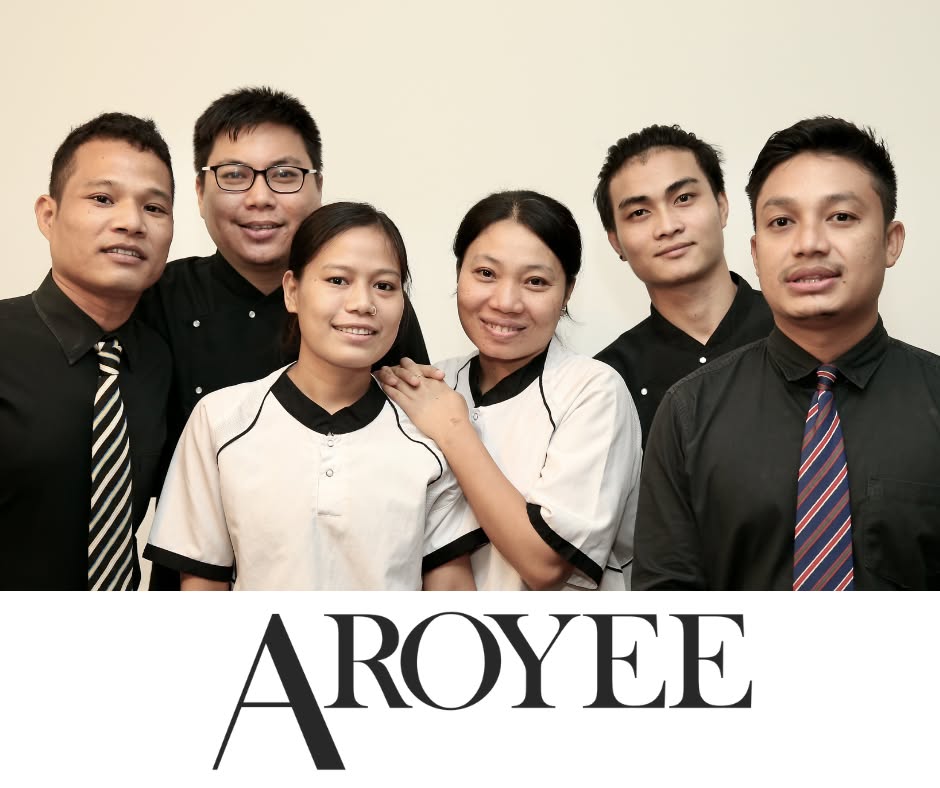
Aroyee - meaning "come along" in Bengali - is Quay Asia's flagship initiative focused on creating educational and economic pathways for minority and marginalised communities in Bangladesh, with particular focus on the Chittagong Hill Tracts (CHT). The programme works at the intersection of education, skills development, and market linkage, recognising that education alone is insufficient without pathways to meaningful employment and enterprise.
The initiative targets indigenous communities in the CHT who face multiple layers of disadvantage: geographic remoteness, linguistic barriers, cultural marginalisation, and limited access to quality education and economic opportunities. Aroyee's approach is community-led, working with local leaders, teachers, and parents to design interventions that respect cultural identity while building the capabilities needed for economic participation.
Recognition in the BEI Report
The BEI report on education systems strengthening examined multiple approaches to improving education outcomes in Bangladesh. Aroyee was highlighted for its integrated model that connects education reform with livelihood outcomes - an approach that the report identified as particularly effective for reaching the hardest-to-reach populations.
Specifically, the report recognised Aroyee's approach to mother-tongue-based multilingual education, its use of locally recruited and trained facilitators, and its integration of traditional knowledge systems with mainstream curriculum content. These features, the report noted, resulted in higher attendance rates, better learning outcomes, and stronger community ownership compared to conventional education interventions in similar contexts.
The Launch Event: International Visibility
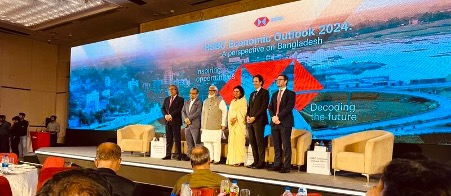
The report was launched at a high-profile event co-hosted by BEI, the UK's Department for Business and Trade, and FCDO. The timing - coinciding with the Education World Forum - brought international education practitioners and policymakers into the audience, providing a platform for Aroyee's approach to reach a global audience.
The event featured presentations from government officials, development partners, and practitioners, with Aroyee's community-centred model generating significant interest from attendees working in similar contexts across South and Southeast Asia. Several participants expressed interest in adapting the Aroyee model for indigenous and minority education programmes in their own countries.
Inclusive Growth Through Education
Aroyee's recognition in the BEI report validates a core conviction of Quay Asia's work: that inclusive growth cannot be achieved without deliberate investment in the education and capabilities of those who are most marginalised. Economic growth that bypasses minority communities, remote populations, and indigenous peoples is neither sustainable nor just.
The Chittagong Hill Tracts, despite their natural beauty and cultural richness, remain among the most economically disadvantaged areas of Bangladesh. Aroyee's work demonstrates that with the right approach - one that centres community voice, respects cultural identity, and builds genuine capabilities - meaningful progress is possible even in the most challenging contexts.
Looking Ahead
The BEI recognition strengthens the case for scaling Aroyee's approach to additional communities within the CHT and potentially to other marginalised populations across Bangladesh. Quay Asia is actively exploring partnerships and funding to expand the initiative's reach while maintaining the community-centred principles that have underpinned its success.