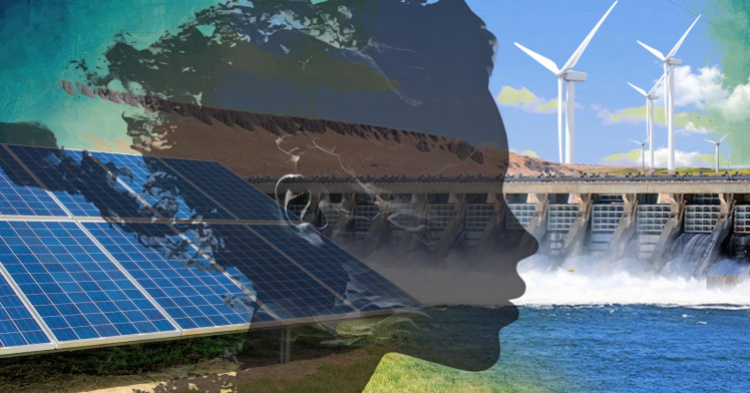
Shaila Rahman's latest analysis in Dhaka Stream argues that Bangladesh's clean energy transition cannot be judged by megawatts alone. As the country scales offshore wind, solar irrigation, carbon markets, and new renewable energy investments, the more durable question is whether women and marginalised communities can participate in, benefit from, and help shape that future.
Quay Asia works firsthand in the renewable energy sector, supporting the Government of Bangladesh's Sustainable and Renewable Energy Development Authority (SREDA) through capacity strengthening and policy support. That work, alongside research and close engagement with key energy stakeholders, points to a stark reality: the energy transition is deeply unequal unless inclusion is deliberately built into policy design, financing, institutional mandates, and negotiation processes.
Why Inclusion Matters
Renewable energy can expand access, reduce emissions, and create new livelihoods, but those gains do not automatically reach everyone. Women farmers can be excluded from solar irrigation finance when land titles or collateral are required. Marginalised communities may be left out of renewable energy jobs, carbon market opportunities, and local decision-making unless programmes are designed around their constraints and voice.
The article makes the case that inclusion is not a side agenda. It is central to whether Bangladesh's energy transition is effective. More inclusive planning can improve adoption, strengthen community ownership, widen the skilled workforce, and ensure that green investments produce fairer development outcomes.
What Needs to Shift
Shaila highlights practical steps for moving from intent to action: targeted training and re-skilling for women and marginalised youth, inclusive financing models, meaningful representation in policy processes, support for women-led energy enterprises, and stronger sex-disaggregated and socially disaggregated data.
Small shifts in how policies are designed, negotiated, and implemented can unlock far more transformative outcomes. For Bangladesh, the strategic opportunity is to build an energy future that is not only cleaner, but fairer and more resilient.
Originally published in Dhaka Stream on April 20, 2026.